Az Erasmus+ Programról a beszámolót Hollai Laura (10.A), Villányi Viktória (10.A) és Antal Hanga (9.A) készítették:
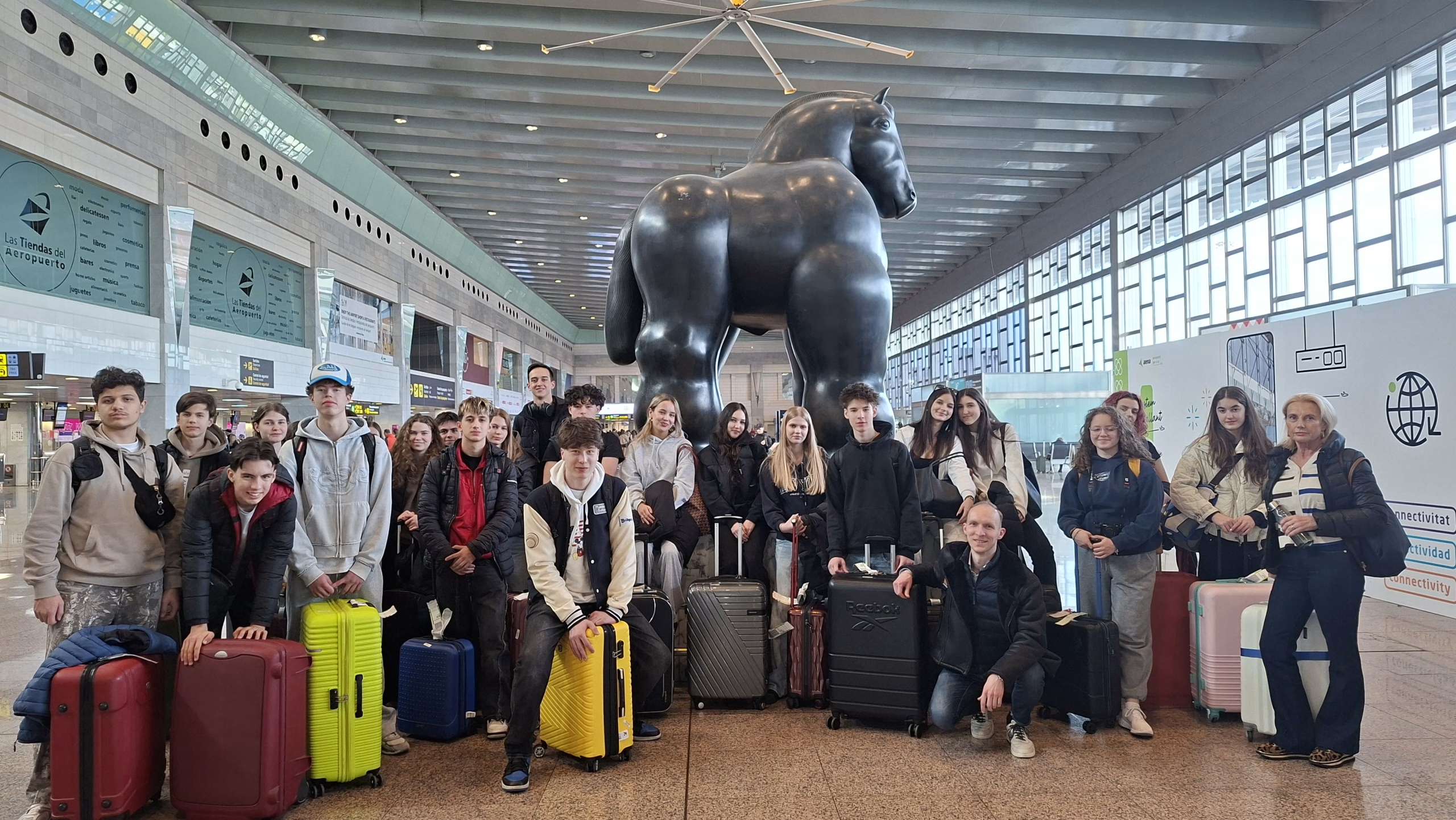
Márciusban iskolánk két osztálya lehetőséget kapott arra, hogy részt vegyen az Erasmus barcelonai programján. A program fő témája a fenntarthatóság volt, de sok más motivációnk is volt az utazásra: megismerni azt a kultúrát, amelynek nyelvét iskolánkban tanuljuk, felfedezni Európa egyik legélénkebb és legélhetőbb városának titkait, élővé tenni angol és spanyol nyelvtudásunkat, és ezeket a tapasztalatokat hazavinni, hogy másoknak is megmutassuk. Felejthetetlen élményekben volt részünk az utazás során. Lássunk egy kis ízelítőt!
A korai indulás ellenére az utazás zökkenőmentesen zajlott, és mindenki számára hatalmas élményt jelentett – különösen azoknak, akik most repültek először.
Megérkezésünk után nem vesztegettük az időt: azonnal felfedeztük a gótikus negyedet, amely nyüzsgő hangulatával azonnal magával ragadott bennünket. Az utcák tele voltak emberekkel, árusokkal és különféle utcai előadókkal. A napot a tengerparton zártuk, ahol a hűvös idő ellenére sokan rövid ruházatban élvezték a tengerpart különleges atmoszféráját.
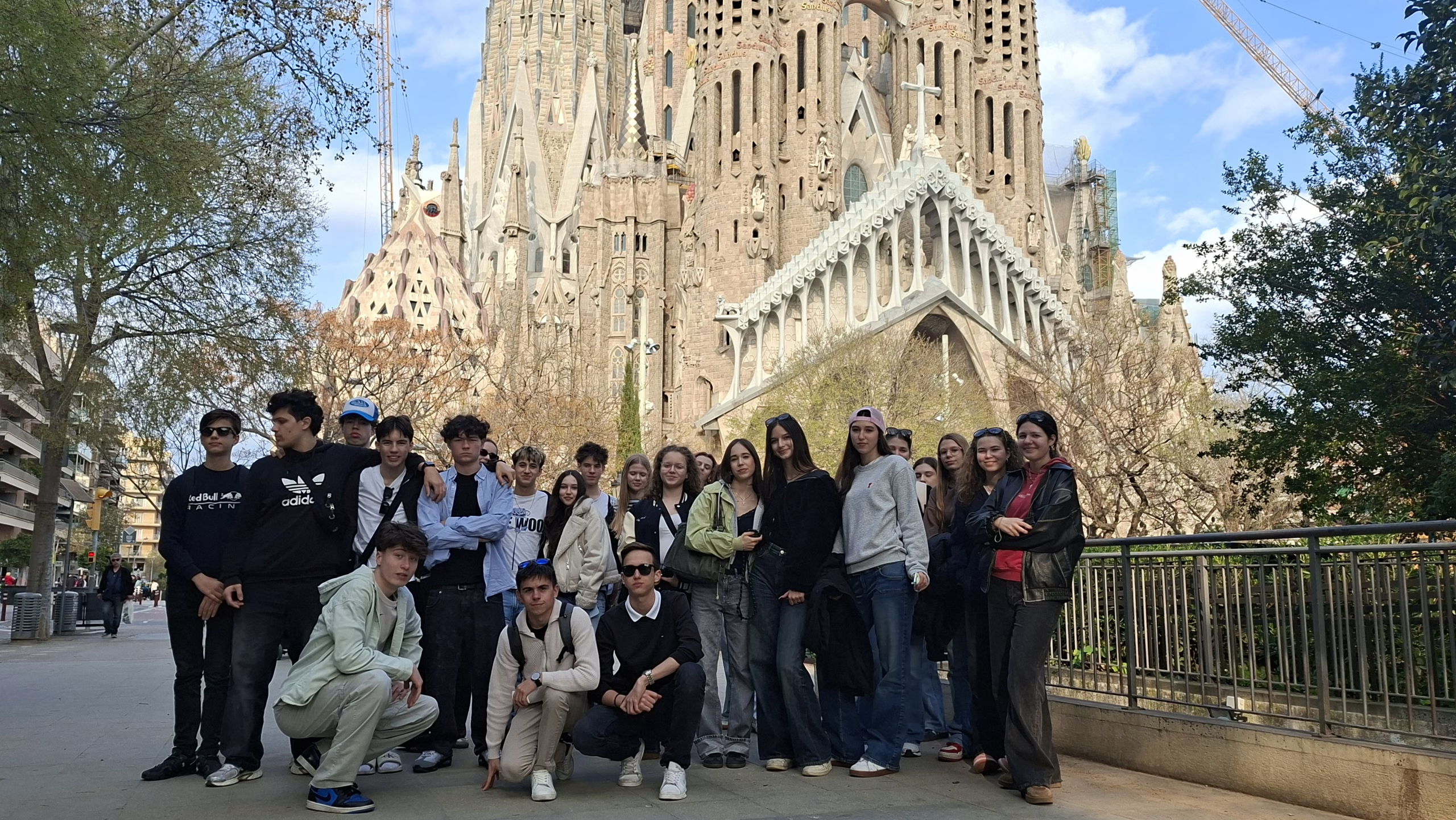
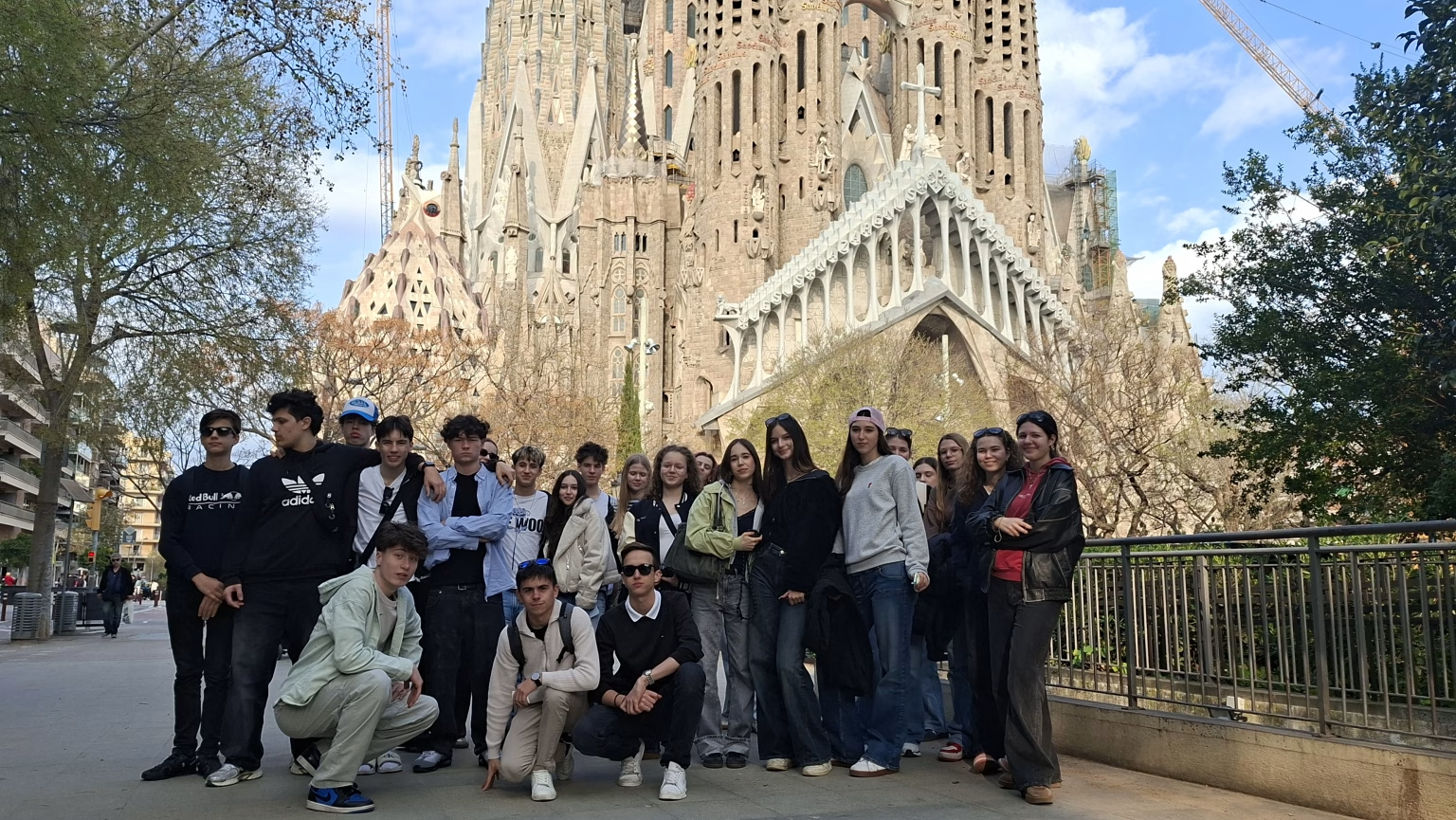
A második nap egy online megbeszéléssel indult. Bár akadtak kisebb technikai nehézségek, ezeket sikerült leküzdenünk, és megkaptuk a hét feladatait. Ebéd után a Güell park felé vettük az irányt, azonban előzetes jegy hiányában aznap nem jutottunk be. Szerencsére sikerült jegyet szereznünk a következő napra. Programunkat így Gaudí híres épületeinek megtekintésével folytattuk, köztük a lenyűgöző Sagrada Famíliával is. Már kívülről is rendkívül különlegesnek találtuk ezeket az alkotásokat, ezért elhatároztuk, hogy egy következő látogatás alkalmával belülről is megcsodáljuk őket.
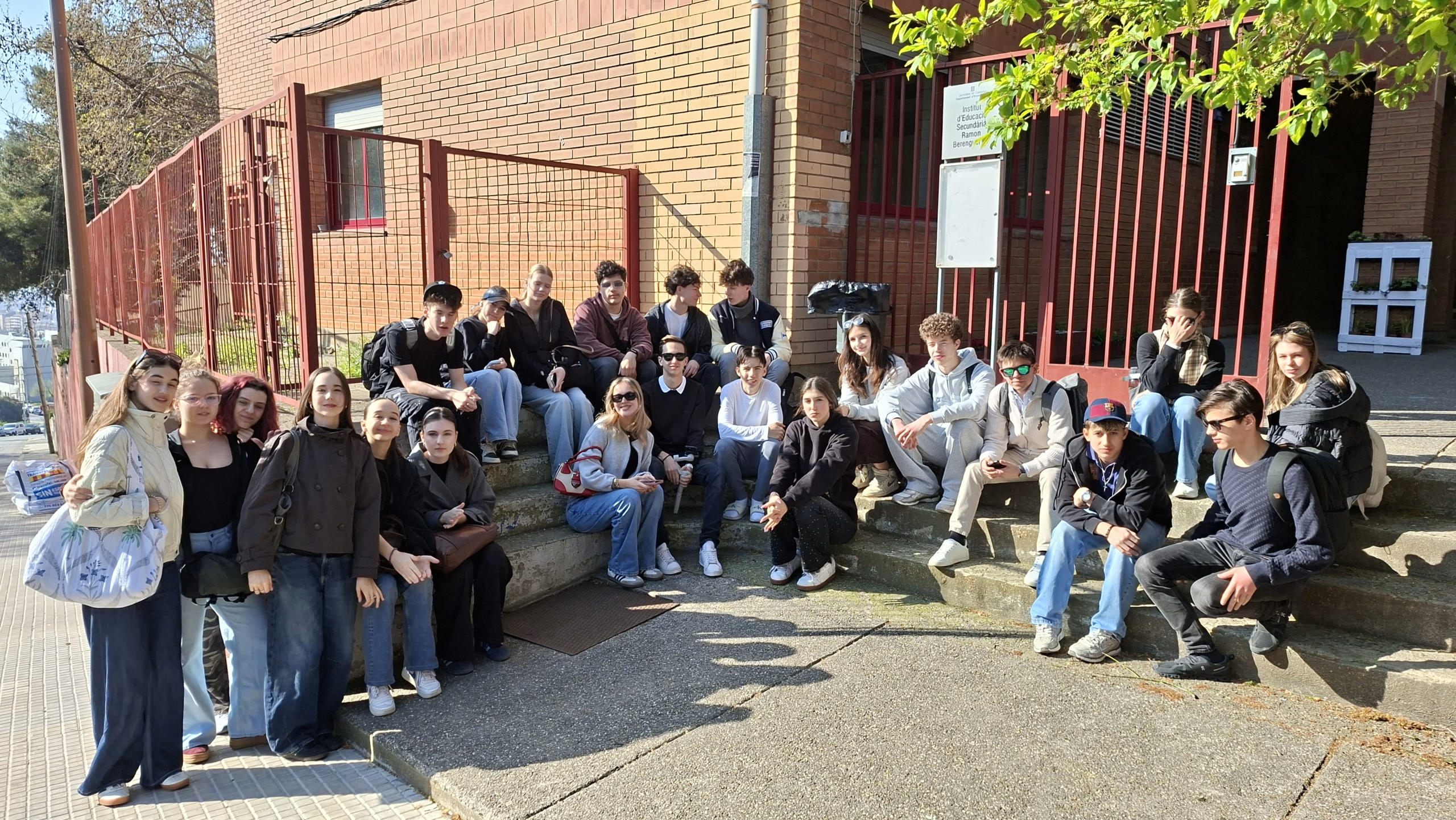
A harmadik napot egy helyi iskolában kezdtük, ahol számos érdekességgel találkoztunk. Megtudtuk például, hogy az iskola csengőhangját a diákok minden héten szavazással választják ki. A közös programok során mind mi, mind a spanyol diákok új ismeretekkel gazdagodtunk. Mi bemutattuk a Magyarországon működő 50 forintos visszaváltási rendszert. A kommunikáció eleinte nem volt egyszerű, de kitartásunk meghozta az eredményt, és a program végére már közvetlenebb kapcsolat is kialakult közöttünk – még közösségi média elérhetőségeket is cseréltünk.
Délután végre ellátogattunk a Güell parkba, amely valóban fantasztikus élményt nyújtott. Bár az idő szűkössége miatt nem tudtuk minden részét bejárni, éppen ez ad okot arra, hogy a jövőben visszatérjünk.
Utunk során felkerestük a Catalunya teret is, ahol egy többórás vásárlási lehetőség várt ránk. Egy hatalmas, többemeletes bevásárlóközpontban számos ismert márka üzleteit találtuk meg egy helyen. Emellett a helyi piacot is bejártuk, ahol egzotikus gyümölcsök, különleges húsok, sajtok és ruházati termékek széles választékával találkozhattunk.
Nem tudtunk Spanyolországban körbeutazni, de a Poble Espanyolban tett látogatásunk során megismerkedhettünk az ország minden részének jellegzetes építészeti stílusaival, és láthattunk kézműveseket munka közben. Meglátogattuk a bőrművesek, keramikusok és üvegfúvók műhelyeit.
Az Erasmus program során szerzett tapasztalatok jelentősen formálták a fenntarthatóságról alkotott szemléletünket. A fenntarthatóság nemcsak elméleti fogalomként jelent meg, hanem a mindennapi gyakorlatban is, amelyet több konkrét példán keresztül is megtapasztaltunk.
A városban található autómentes utcák jól mutatják, hogyan lehet csökkenteni a légszennyezést és élhetőbb környezetet kialakítani. Ez a megoldás közvetlen példát adott arra, hogy a közlekedés átalakítása milyen hatással lehet a környezetre és az emberek életminőségére.
Az iskolában számos fenntartható kezdeményezéssel találkoztunk. Az intézmény területén gyümölcsfák találhatók, amelyek terméseit a menzán felhasználják vagy meg lehet vásárolni, így támogatva a helyi és környezetbarát élelmiszer-felhasználást. Az ünnepekhez kapcsolódóan is környezettudatos megoldásokat alkalmaznak: például Valentin-napkor rózsát, karácsonykor pedig fagyöngyöt ültetnek, amelyeket később természetes dekorációként használnak fel.
Szintén az iskolában működik egy olyan helyiség, ahol a már nem használt ruhákat gyűjtik össze, kiállítják, és lehetőség van azok cseréjére. Ez a rendszer elősegíti az újrahasználatot és csökkenti a textilhulladék mennyiségét.
A legelső nap projektmunkája is a fenntarthatóság köré épült. Olyan termékeket kellett terveznünk, amelyek környezetbarát megoldásokat kínálnak. Ezek között szerepelt például egy szilárd sampon, amely újrahasznosított csomagolásban kerül forgalomba, így csökkenti a műanyaghasználatot. Emellett készültek tervek újrahasznosított anyagból készült táskákra és kulacsokra, valamint olyan ruhákra is, amelyek műanyag palackok feldolgozásával jönnek létre.
Összességében az Erasmus+ program gyakorlati példákon keresztül mutatta meg, hogyan lehet a fenntarthatóságot a mindennapi élet részévé tenni. Az itt szerzett tapasztalatok hozzájárultak ahhoz, hogy tudatosabban gondolkodjunk a környezetről és a jövőről.
In March, our school participated in the Erasmus + program in Barcelona. The program’s main theme was sustainability, but we had many other motivations for the trip: to get to know the culture whose language we are learning at our school, to discover the secrets of one of the most vibrant and livable cities in Europe, to bring our English and Spanish skills to life and to bring these experiences home to show to others. We had unforgettable experiences during the trip. Let’s see a little taste!
March 22, 3:30, meeting at Liszt Ferenc Airport. Despite the early departure, the trip went smoothly for everyone and was a great experience in itself – especially for those who were flying for the first time in their lives.
After our arrival, we wasted no time in exploring and visiting the Gothic Quarter. The lively atmosphere of the area was captivating, its streets were full of people, vendors and various street artists. We ended the day at the beach, where despite the cooler weather, many people enjoyed the proximity of the sea, many even in short sleeves and shorts. The second day started with an online meeting, during which there were some minor technical difficulties, but we successfully resolved them and received the tasks of the week. After lunch, we headed towards Park Güell, but unfortunately we did not get in that day due to the lack of advance tickets. Fortunately, we managed to get tickets for the next day. After that, we admired Antoni Gaudí’s famous buildings, including the Sagrada Familia. The buildings were already impressive from the outside, so we are sure that we will want to explore them from the inside on a later visit.
We started the third day at the host school, where we learned many interesting things. For example, we learned that the sound of their bell is chosen by the students every week by voting. During the joint programs, both we and the Spanish students gained new knowledge. We also introduced the 50 forint redemption system operating in Hungary. Despite the initial communication difficulties, we quickly relaxed, and by the end of the program we had already exchanged social media contact details. We visited Park Güell, which was a truly unforgettable experience. Although we were unable to visit the entire park due to the lack of time, this is exactly what made us want to return here in the future.We were not able to travel around Spain, but during our visit to Poble Espanyol, we were able to learn about the characteristic architectural styles of all parts of the country and see craftsmen at work. We visited the workshops of leather craftsmen, ceramicists, and glass blowers. The experiences gained during the Erasmus program have significantly shaped our approach to sustainability. Sustainability has not only appeared as a theoretical concept, but also in everyday practice, which we have experienced through several concrete examples.The car-free streets in the city clearly show how air pollution can be reduced and a more livable environment can be created. This solution provided a direct example of the impact that the transformation of transportation can have on the environment and people’s quality of life.We have come across several sustainable initiatives at school. There are fruit trees on the premises of the institution, the fruits of which are used in the canteen or can be purchased, thus supporting the use of local and environmentally friendly food. Environmentally conscious solutions are also used in connection with holidays: for example, roses are planted on Valentine’s Day and mistletoe at Christmas, which are later used as natural decorations. The school also has a room where clothes that are no longer used are collected, displayed and exchanged. This system promotes reuse and reduces the amount of textile waste. The project work on the very first day was also built around sustainability. We had to design products that offer environmentally friendly solutions. One of these was a solid shampoo that comes in recycled packaging, thus reducing the use of plastic. In addition, there were designs for bags and bottles made from recycled materials, as well as clothes that are made by processing plastic bottles. Overall, the Erasmus+ program showed through practical examples how sustainability can be made a part of everyday life. The experiences gained here contributed to thinking more consciously about the environment and the future. Thank you for the opportunity and we hope to return to this wonderful city in the future.
En marzo, nuestro colegio participó en el programa Erasmus+ en Barcelona. El tema principal del programa era la sostenibilidad, pero teníamos muchas otras motivaciones para el viaje: conocer la cultura cuyo idioma estamos aprendiendo en nuestro colegio, descubrir los secretos de una de las ciudades más vibrantes y habitables de Europa, poner en práctica nuestros conocimientos de inglés y español y compartir estas experiencias con los demás. Vivimos experiencias inolvidables durante el viaje. ¡Veamos un pequeño adelanto!
22 de marzo, 3:30, encuentro en el aeropuerto Liszt Ferenc. A pesar de la salida temprana, el viaje transcurrió sin problemas para todos y fue una gran experiencia en sí misma, especialmente para quienes volaban por primera vez.
Tras nuestra llegada, no perdimos el tiempo: salimos inmediatamente a explorar y visitamos el Barrio Gótico. El ambiente animado del barrio era cautivador; sus calles estaban llenas de gente, vendedores y diversos artistas callejeros. Terminamos el día en la playa, donde, a pesar del clima fresco, mucha gente disfrutó de la cercanía del mar, muchos incluso en manga corta y pantalones cortos.
El segundo día comenzó con una reunión en línea, durante la cual hubo algunas dificultades técnicas menores, pero las resolvimos con éxito y recibimos las tareas de la semana. Después del almuerzo, nos dirigimos al Parque Güell, pero lamentablemente no pudimos entrar ese día por falta de entradas anticipadas. Por suerte, conseguimos entradas para el día siguiente. Después, admiramos los famosos edificios de Antoni Gaudí, incluida la Sagrada Familia. Los edificios ya eran impresionantes desde el exterior, así que estamos seguros de que querremos explorarlos por dentro en una visita posterior. Comenzamos el tercer día en la escuela anfitriona, donde aprendimos muchas cosas interesantes. Por ejemplo, supimos que el sonido de su campana lo eligen los estudiantes cada semana mediante votación. Durante los programas conjuntos, tanto nosotros como los estudiantes españoles adquirimos nuevos conocimientos. También nos presentaron el sistema de canje de 50 florines que funciona en Hungría. A pesar de las dificultades iniciales de comunicación, rápidamente nos pusimos de acuerdo y al final del programa habíamos intercambiado contactos en redes sociales. Visitamos el Parque Güell, que fue una experiencia verdaderamente inolvidable. Aunque no pudimos visitar todo el parque por falta de tiempo, nos dieron ganas de volver en el futuro.
No pudimos recorrer toda España, pero durante nuestra visita al Poble Espanyol pudimos conocer los estilos arquitectónicos característicos de cada región y observar a los artesanos trabajando. Visitamos los talleres de marroquineros, ceramistas y sopladores de vidrio. Las experiencias adquiridas durante el programa Erasmus influyeron significativamente en nuestra perspectiva sobre la sostenibilidad. La sostenibilidad se presentó no solo como un concepto teórico, sino también en la práctica cotidiana, que experimentamos a través de varios ejemplos concretos. Las calles peatonales de la ciudad demuestran claramente cómo se puede reducir la contaminación atmosférica y crear un entorno más habitable. Esta solución nos brindó un ejemplo directo del impacto que la transformación del transporte puede tener en el medio ambiente y la calidad de vida de las personas. En la escuela, encontramos varias iniciativas sostenibles. Hay árboles frutales en las instalaciones del centro, cuyos frutos se utilizan en el comedor o se pueden comprar, fomentando así el consumo de alimentos locales y respetuosos con el medio ambiente. También emplean soluciones respetuosas con el medio ambiente relacionadas con las festividades: por ejemplo, plantan rosas el día de San Valentín y muérdago en Navidad, que luego se utilizan como decoración natural.
La escuela también cuenta con una sala donde se recoge, se expone y se intercambia la ropa que ya no se usa. Este sistema fomenta la reutilización y reduce la cantidad de residuos textiles. El trabajo del primer día también se centró en la sostenibilidad. Tuvimos que diseñar productos que ofrecieran soluciones respetuosas con el medio ambiente. Uno de ellos fue un champú sólido con envase reciclado, reduciendo así el uso de plástico. Además, diseñamos bolsos y botellas hechos con materiales reciclados, así como prendas de vestir elaboradas a partir del procesamiento de botellas de plástico. En general, el programa Erasmus+ demostró, mediante ejemplos prácticos, cómo la sostenibilidad puede integrarse en la vida cotidiana. Las experiencias adquiridas aquí contribuyeron a que reflexionáramos de forma más consciente sobre el medio ambiente y el futuro. Gracias por la oportunidad y esperamos volver a esta maravillosa ciudad en el futuro.